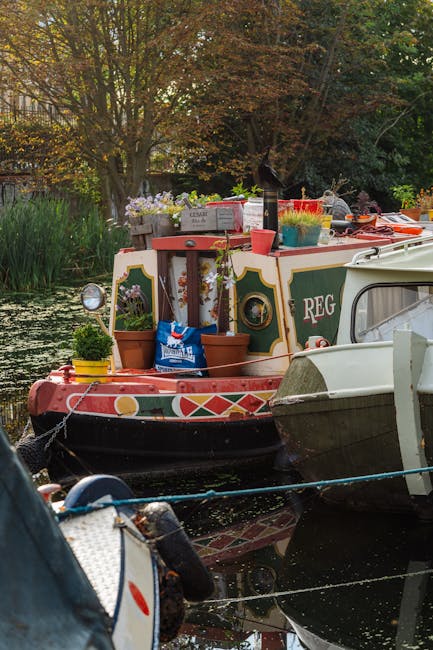
Surbiton gardeners for riverside terraces near Kingston station
If you live or work around Kingston station and have a riverside terrace, you already know the charm comes with a bit of extra work. Wind moves faster between buildings, pots dry out more quickly than you expect, and shaded corners can turn soft and mossy after a damp week. That is where Surbiton gardeners for riverside terraces near Kingston station come into their own. The right gardener does more than tidy the space; they help it hold its shape, stay safe under foot, and look good in every season.
This guide explains what specialist terrace gardening actually involves, why riverside settings need a slightly different approach, and how to judge which services are worth paying for. We will also cover common mistakes, practical maintenance steps, and the kind of decisions that save time later. It is the sort of detail people often wish they had before the terrace got out of hand. Truth be told, a small outdoor space can become a full-time character in your life if it is ignored for too long.
Table of Contents
- Why Surbiton gardeners for riverside terraces near Kingston station matters
- How Surbiton gardeners for riverside terraces near Kingston station works
- Key benefits and practical advantages
- Who this is for and when it makes sense
- Step-by-step guidance
- Expert tips for better results
- Common mistakes to avoid
- Tools, resources and recommendations
- Law, compliance, standards, or best practice
- Options, methods, or comparison table
- Case study or real-world example
- Practical checklist
- Conclusion
- Frequently asked questions
Why Surbiton gardeners for riverside terraces near Kingston station Matters
Riverside terraces near Kingston station are not the same as a standard suburban garden. They are usually smaller, more exposed, and often designed to do several jobs at once: somewhere to sit, somewhere to grow, somewhere to soften a hard building line, and sometimes somewhere to hide the practical clutter that comes with everyday living. That mix sounds simple, but it can be awkward in practice.
Surbiton gardeners who understand these spaces bring a more measured approach. They know a terrace may need drainage-aware planting, narrower pathways, lighter-weight containers, and maintenance that fits busy city routines. They also understand that a terrace next to the river can feel cooler and more humid at times, then suddenly bright and reflective on another side. The conditions shift. The plants notice first.
For residents, landlords, and businesses close to Kingston station, the benefit is not just appearance. A well-kept terrace feels calmer, safer, and more usable. You notice it when you step outside with coffee in the morning and the pots are tidy, the paving is not slippery, and the planting still has structure. It sounds small, but small spaces have a way of affecting the whole feel of a property.
Expert summary: terrace gardening near the river works best when design, maintenance, and practicality are handled together. A pretty terrace that cannot cope with wind, shade, or limited access soon stops being pretty.
If you want a broader view of what a local team can support, it is worth looking at the full range of garden services available in Kingston as well as specific work such as routine garden maintenance and landscape gardening.
How Surbiton gardeners for riverside terraces near Kingston station Works
The process usually starts with a close look at the terrace itself. Not a rushed glance. A proper one. Good gardeners assess sunlight, wind exposure, paving condition, access routes, drainage, existing planting, and how the space is actually used day to day. A terrace that hosts evening drinks needs different care from one that mainly supports container herbs and privacy planting.
From there, the work often breaks into a few practical streams:
- Cleaning and clearance: removing dead growth, leaves, broken pots, and general clutter so the space can breathe again.
- Plant selection and placement: choosing species that cope with river air, reflected light, and a terrace's limited soil volume.
- Structure and access: keeping pots, screening, edging, and walkways arranged so the space stays usable.
- Ongoing maintenance: watering, trimming, feeding, and seasonal changes that stop small problems from becoming expensive ones.
On riverside terraces, maintenance often matters more than dramatic redesigns. A gorgeous planting scheme that is not watered properly in July will disappoint you by August. That is just how it goes. A gardener with experience in compact outdoor spaces knows how to build in resilience rather than chase quick visual impact.
For some properties, the work also includes hard surfaces and access-friendly features. If you are considering steps, boundaries, or a more defined entertaining area, decking services can help shape the space, while landscaping can improve layout, levels, and movement across the terrace.
Key Benefits and Practical Advantages
The real benefit of hiring the right gardener is not simply that the terrace looks neat on the day they leave. It is that the space becomes easier to live with. That is the difference between a one-off tidy-up and a properly maintained outdoor area.
1. Better use of limited space
Terraces near Kingston station are often compact, so every pot, bench, and planter matters. A skilled gardener can create breathing room, visual depth, and a sense of order without making the area feel crowded.
2. More reliable plant health
Container planting dries out faster than many people expect, especially in windy exposed spots. Good maintenance means watering schedules, feeding, pruning, and plant choice all work together. Less guesswork. Fewer sad-looking shrubs.
3. Safer surfaces and easier movement
Moss, algae, fallen leaves, and scattered soil can make paving and decking awkward underfoot. Regular upkeep helps reduce slips and makes the terrace feel clean rather than neglected.
4. Better privacy and comfort
Screening plants, climbers, and strategic placement can soften views from neighbouring properties or surrounding buildings. That matters on riverside terraces where you may be close to other homes or foot traffic.
5. Seasonal resilience
Weather along the Thames corridor can be changeable. A terrace that looks fine in spring may need a different setup in midsummer or after a windy spell. Gardeners who manage terraces well think ahead rather than react late.
6. Less stress for busy owners
If you are commuting, travelling, or simply not outdoors often, regular professional care is the easiest way to keep the space under control. No drama. No weekend panic before guests arrive.
| Need | What a terrace-focused gardener usually does | Why it helps |
|---|---|---|
| Dry, wind-exposed planting | Chooses hardy, container-suitable plants and adjusts watering routines | Reduces stress on plants and avoids constant replacement |
| Shaded, damp corners | Improves airflow, clears debris, and manages moss-prone areas | Helps surfaces stay cleaner and less slippery |
| Limited space | Uses layered planting and careful positioning | Makes the terrace feel larger and calmer |
| Busy lifestyle | Provides routine maintenance and seasonal visits | Prevents the terrace from becoming a chore |
Who This Is For and When It Makes Sense
This kind of service suits more people than you might think. It is not just for people with elaborate roof terraces or designer outdoor furniture. In fact, some of the most useful work happens on very ordinary spaces that simply need steady attention.
- Homeowners who want a tidy, attractive outdoor area without spending every weekend on it.
- Renters who want to keep a terrace looking presentable and manageable during their tenancy, subject to permission from the landlord where needed.
- Landlords and letting agents who need outdoor areas kept in decent condition between tenancies or inspections.
- Busy professionals based near Kingston station who value convenience and want the space to be ready for use, not another job on the list.
- Hospitality or office properties with terrace seating, entry planters, or visible frontage that benefits from consistent care.
It makes sense especially when one or more of these are happening:
- plants are not thriving despite regular watering
- the terrace feels cluttered, even after a tidy
- weeds keep returning in joints or planter edges
- the decking or paving is getting slippery
- you want a more polished look before guests, viewings, or seasonal use
Sometimes the issue is not that the terrace is in bad shape. It just feels unfinished. A subtle redesign or regular maintenance plan can make all the difference. For larger clear-outs, overgrown planters, or post-winter resets, garden clearance can be the quickest way to regain control.
Step-by-Step Guidance
If you are planning work on a riverside terrace, here is a sensible order of operations. It keeps the job practical and avoids the common mistake of buying plants before you understand the conditions. Happens all the time, sadly.
- Start with the space you actually have. Measure the usable area, note access points, and identify any restrictions such as shared entrances, balcony weight concerns, or awkward corners.
- Observe light and wind. Morning sun, late sun, shade from nearby buildings, and river breeze all change what will thrive. Watch the space at different times if you can.
- Clear out what is failing. Remove dead annuals, broken containers, and tired compost. A cleaner base makes everything else easier.
- Decide the job of the terrace. Is it for sitting, growing, screening, entertaining, or a mix? Be honest. A terrace trying to do everything can end up doing nothing well.
- Choose the right planting structure. Mix evergreen framework with seasonal colour rather than filling every pot with short-lived display plants.
- Set a maintenance rhythm. Regular watering, feeding, pruning, and weeding are usually more effective than occasional big interventions.
- Review after the first weather change. A terrace often looks very different after one wet week or a windy spell. Adjust quickly.
As a practical matter, ask your gardener what happens after the initial visit. Will they come back for seasonal checks? Can they help with hedges, lawns, or small tree issues where relevant? A rounded service usually saves time. You can explore options such as lawn mowing, hedge trimming, and tree lopping and removal if your terrace links to a larger garden or shared boundary planting.
Expert Tips for Better Results
Here is where experience really shows. Small terraces reward detail, but not fussiness for its own sake. The goal is a space that works on a Tuesday evening in October, not just in photos on a bright June afternoon.
Use more structure than you think you need. Evergreen shrubs, clipped shapes, or permanent planters help the terrace hold its shape through the quieter months. Without that framework, winter can make even a decent terrace look oddly empty.
Do not over-pot the space. It is tempting to fill every corner. Resist that. Leave walking lines and sight lines open. A terrace should feel breathable, not boxed in.
Choose containers for stability as well as style. Lightweight pots are easier to move, but in exposed areas they may blow, tip, or dry out too fast. Heavier planters can be worth it, especially near open river air.
Think in layers. Taller screening at the back, medium shrubs in the middle, and trailing or seasonal plants at the front usually look more natural than a row of identical pots. A bit of depth goes a long way.
Keep irrigation simple. If watering feels complicated, it usually gets forgotten. Group plants with similar needs together. That one step can save a surprising amount of stress.
Plan for access. A terrace can become difficult to maintain if pots are placed where nobody can reach behind them. Leave enough space to sweep, weed, and inspect the surfaces properly.
A small aside: some people buy a plant because it looked cheerful in a shop and then act surprised when it hates a windy terrace. Plants are not difficult, exactly, but they are honest.
Common Mistakes to Avoid
Terraces near Kingston station are usually a bit too exposed, a bit too compact, and a bit too easy to clutter. That combination creates predictable problems. If you know the traps, you can sidestep them.
- Choosing plants for a garden centre display, not the actual site. A plant that loves shelter may struggle near the river, especially on higher or more exposed terraces.
- Ignoring drainage. Standing water in pots or around paving leads to root issues, moss, and general mess.
- Overwatering or underwatering. Both are common. Containers dry fast, but soggy compost is not the answer either.
- Letting planters block access. It seems harmless until you need to sweep, inspect, or move something heavy. Then it is a nuisance.
- Using too many different materials. A mix of awkward finishes can make a small terrace feel visually noisy.
- Skipping seasonal maintenance. A terrace needs different attention in spring, summer, autumn, and winter. Set-and-forget rarely ends well.
- Forgetting safety. Wobbly pots, broken edging, and slippery decking are easy to overlook until someone nearly falls.
If your terrace has become a bit of a jumble, do not worry. It is very common. The fix is usually methodical rather than dramatic. Clear, prune, simplify, then rebuild the structure. Step by step.
Tools, Resources and Recommendations
You do not need a shed full of specialist kit to maintain a terrace well, but a few basics make the job easier and safer. For homeowners, the useful tools tend to be the unglamorous ones: a decent broom, sharp secateurs, watering can or hose arrangement, gloves, hand fork, and a bucket for debris. Not exciting. Very useful.
For professional or more intensive care, common resources include:
- Moisture-friendly composts suited to container planting
- Sturdy planters that suit the terrace style and exposure level
- Slow-release feed for pots that need stable nourishment between visits
- Non-slip cleaning methods appropriate for decking or paving
- Waste sorting and recycling habits that keep green waste manageable and responsible
If sustainability matters to you, it is worth asking how green waste is handled and whether materials are reused where appropriate. A lot of clients near the river want the place to look good without being wasteful, which is fair enough. For that kind of reassurance, the company's recycling and sustainability approach can be a useful point of reference.
For practical service decisions, pricing clarity also matters. Ask what is included, what counts as an extra visit, and how quotes are structured. You can usually get a better sense of expectations from a clear pricing and quotes page than from vague phone promises.
Law, Compliance, Standards, or Best Practice
Terrace gardening is not usually a heavily regulated subject in itself, but there are still sensible UK best practices to keep in mind. If a property is leased, shared, or managed by a building or letting arrangement, check permission before making structural changes or adding fixed items. That is especially relevant for decked areas, privacy screens, and larger containers that may affect access or weight load.
Health and safety should also be taken seriously, even on small spaces. Wet paving, loose boards, trailing irrigation lines, and overfilled planters can all create avoidable risk. A professional gardener should work in a way that keeps the area usable and reduces hazards, not just makes it look neat for the photo.
For commercial settings or properties with public-facing access, insurance and methodical working practices matter even more. It is reasonable to ask how the work is insured and how safety is approached on site. The most reassuring answer is usually the plain one: clear processes, careful handling of tools, and proper attention to access.
You may also want to know how a company handles complaints, payment, and privacy if you are booking ongoing services. Those details are not glamorous, but they speak volumes about professionalism. Useful pages to review include insurance and safety, health and safety policy, payment and security, and the company's complaints procedure.
Options, Methods, or Comparison Table
When people ask how to improve a riverside terrace, the answer is usually not one-size-fits-all. The right method depends on budget, time, and how ambitious you want to be. Here is a simple comparison.
| Approach | Best for | Pros | Limitations |
|---|---|---|---|
| One-off tidy-up | Quick reset before guests or after winter | Fast, affordable, immediately noticeable | Does not solve ongoing maintenance needs |
| Regular maintenance | Busy owners who want steady control | Keeps terrace healthy and presentable | Needs a repeating schedule |
| Soft redesign | Terraces that feel awkward or underused | Improves layout, planting, and flow | Takes planning and a bit more investment |
| Full landscape refresh | Spaces needing major change | Creates a stronger, more coherent result | Usually the most involved option |
In many cases, the most sensible route is a combination: clear the space, improve the structure, then move into maintenance. Simple enough on paper, but it makes life easier long term. If you need broader support beyond the terrace itself, landscaping and service overviews can help you think through the bigger picture.
Case Study or Real-World Example
Picture a compact riverside terrace a short walk from Kingston station. The owners use it in the morning for coffee and in the evening for dinner, but by late spring it had become a mix of tired pots, uneven weeding, and one slightly alarming patch of slick paving under the seating area. Nothing dramatic. Just enough to make the space feel less inviting than it should have been.
The fix was fairly straightforward. First, the clutter was removed and the containers were regrouped so the terrace had open walk lines again. Then the planting was simplified: a few evergreen shapes for structure, some hardy seasonal colour for warmth, and better-matched pots so watering did not become a guessing game. The slippery area was cleaned properly and the surrounding debris cleared, which made the whole terrace feel brighter almost immediately. Funny how a small change can do that.
After that, the gardener set a maintenance rhythm based on the space's exposure. More frequent checks during warmer months, lighter winter attention, and seasonal pruning to keep the planting from swallowing the terrace edge. The result was not flashy. It was better than flashy. It was usable, calm, and easy to keep that way.
That is really the point. A good terrace garden should feel like it belongs to everyday life, not like a project you have to survive.
Practical Checklist
Use this checklist before or after you book help for a riverside terrace near Kingston station.
- Have you assessed sunlight, shade, and wind exposure?
- Do the containers suit the size and load of the terrace?
- Is there a clear plan for watering during warm or dry spells?
- Are pathways and access routes left open?
- Have moss, algae, or slippery areas been addressed?
- Is there enough evergreen structure to keep the terrace looking good year-round?
- Are dead plants, broken pots, and clutter removed?
- Do you know what is included in routine maintenance?
- Have safety, insurance, and payment terms been checked?
- Is the terrace still easy to enjoy, not just easy to look at?
If any of those answers are shaky, that is your cue to slow down and sort the basics first. A solid terrace starts with structure. The pretty bit comes after.
Conclusion
Riverside terraces near Kingston station can be some of the most rewarding outdoor spaces to maintain, but they ask for a bit more judgement than a typical garden. Exposed air, limited room, changing light, and regular everyday use all push the space toward faster decline if it is not looked after properly. The good news is that with the right Surbiton gardeners, it does not take much to turn a tense, cluttered terrace into something calm and genuinely usable.
The best results usually come from clear planning, realistic plant choices, regular maintenance, and a bit of restraint. Less fuss, more function. And, oddly enough, that is what makes the terrace feel special. If you are ready to improve the space, compare options, ask careful questions, and choose a team that understands local conditions and practical upkeep. Your terrace deserves that level of attention.
Get a free quote today and see how much you can save.
And if you do only one thing this week, start by looking at the terrace with fresh eyes on an ordinary morning. That is often when the truth shows up.
Frequently Asked Questions
What do Surbiton gardeners for riverside terraces near Kingston station usually do?
They typically handle terrace-specific maintenance such as planting, pruning, container care, surface cleaning, weed removal, and seasonal tidy-ups. Some also help with layout improvements or small design adjustments.
Why do riverside terraces need different garden care?
They are often more exposed to wind, reflected light, shade, and damp conditions than standard gardens. That means plant choice, watering, and surface care all need a more thoughtful approach.
How often should a terrace garden be maintained?
It depends on use and planting, but many terraces benefit from regular visits during the growing season and lighter maintenance in quieter months. Busy spaces usually do better with a steady rhythm rather than occasional big jobs.
Can gardeners help if my terrace is very small?
Yes. Small terraces often benefit the most from expert help because every centimetre matters. Good gardeners can make a compact space feel clearer, greener, and easier to live with.
What plants work best on a terrace near the river?
Hardy, container-friendly plants that cope well with exposure are usually the safest choice. The right selection depends on light levels, wind, and how much time you can spend on watering and upkeep.
Is decking a good idea for riverside terraces?
It can be, if the space and usage suit it. Decking may help define seating areas or improve the feel of a terrace, but it should be planned carefully so it stays safe and practical over time.
How do I stop my terrace from becoming slippery?
Regular cleaning, leaf removal, and proper attention to moss or algae build-up are important. It also helps to keep watering sensible and avoid overcrowding the terrace with pots that trap debris.
What should I ask before hiring a gardener?
Ask what is included, how often maintenance is recommended, whether they have experience with terraces or small spaces, and how they approach safety, insurance, and waste handling. Clear answers are a good sign.
Can I combine terrace care with other garden work?
Absolutely. If your property includes hedges, larger beds, lawns, or tree work, it can be more efficient to group tasks together. That often gives a more consistent result too.
Do I need a full redesign or just maintenance?
If the terrace is fundamentally fine but messy, maintenance may be enough. If the layout feels awkward, crowded, or difficult to use, a redesign or landscaping input may be the smarter move.
How do I prepare a terrace before a gardener visits?
Clear access, move any personal items you want kept separate, and make a note of problem spots such as damp patches, broken containers, or plants that are not thriving. A quick briefing helps the visit go more smoothly.
Where can I find more information about services and standards?
You can review the company's about us page for background, the services overview for the wider offer, and the policy pages for details on safety, privacy, sustainability, and payment.