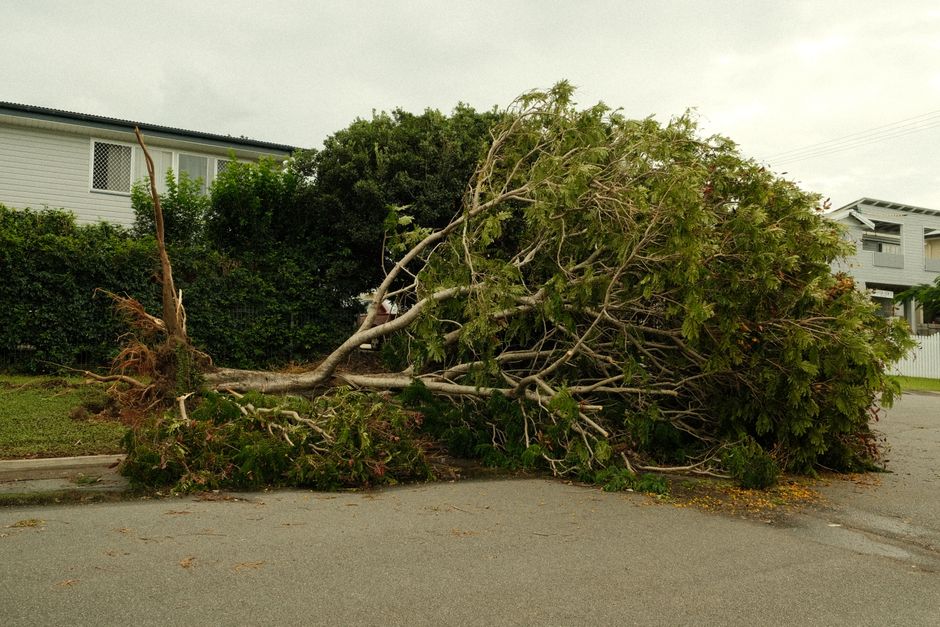
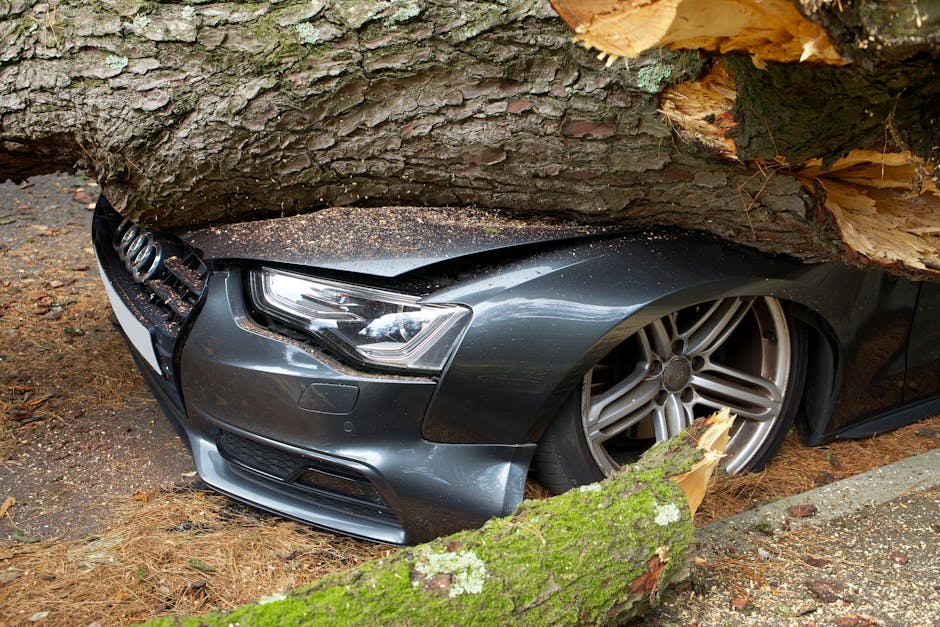
Same day gardeners Kingston for emergency tree debris and storm: fast, safe help when your garden is hit
Storm damage has a way of turning a normal garden into a problem very quickly. One minute you have a familiar outdoor space; the next, there are snapped branches, scattered leaves, a blocked path, and maybe a tree limb leaning in a way that makes your stomach drop. If you are searching for same day gardeners Kingston for emergency tree debris and storm cleanup, you probably need practical help now, not a lecture. Fair enough.
This guide explains what same-day storm and debris clearance actually involves, how it works in Kingston, what to expect from a professional team, and how to make sensible decisions under pressure. It also covers safety, compliance, common mistakes, and a realistic step-by-step approach so you can get the garden safe again without making the mess worse. Because let's face it, in a storm, nobody wants to be improvising with a rake and a bit of luck.
Contents
- Why same-day emergency garden help matters
- How same-day storm debris clearance works
- Key benefits and practical advantages
- Who this is for and when it makes sense
- Step-by-step guidance
- Expert tips for better results
- Common mistakes to avoid
- Tools, resources and recommendations
- Law, compliance, standards and best practice
- Options, methods and comparison table
- Case study or real-world example
- Practical checklist
- Conclusion
- Frequently asked questions
Why Same day gardeners Kingston for emergency tree debris and storm Matters
After strong winds, heavy rain, or a sudden overnight blow-through, garden debris is rarely just an eyesore. Broken branches can block exits, damage fencing, crush plants, scratch decking, and create trip hazards on wet ground. In a residential area like Kingston, where gardens often sit close to boundaries, sheds, patios, and neighbouring plots, a fallen limb can quickly affect more than one property.
Same-day help matters because storm damage is time-sensitive. Freshly snapped wood is heavier and more awkward than people expect. Wet leaves make hard surfaces slippery. Loose branches can keep moving in the wind, and one unstable piece can trigger another. It is a bit like dealing with a stack of crockery after the top one has already slipped: do the wrong thing and the whole lot shifts.
There is also the practical side. If a fallen tree or large branch is touching a fence, hanging over a driveway, or pressing on a structure, waiting until "later in the week" may create extra cost and more disruption. A prompt response can reduce the amount of secondary damage and make the rest of the cleanup much easier.
For many homeowners, landlords, and managing agents, the biggest value is peace of mind. You get someone who can assess what is safe to move, what should be left alone, and how to clear the site without turning a messy garden into a risky one. That judgement really matters.
How Same day gardeners Kingston for emergency tree debris and storm Works
The process is usually straightforward, but a proper emergency visit is more than just loading branches into a van. A reliable team will first look at the site and decide what can be removed safely on the day. If the tree debris is minor, they may begin clearing immediately. If the damage involves a partially uprooted tree, an unstable limb, or anything near power lines, they should stop short and explain the safer next step.
A same-day service often follows this general sequence:
- Initial call or enquiry - you describe the damage, the access, and any urgent hazards.
- Rapid assessment - the team decides whether the job is suitable for same-day attendance.
- Arrival and safety check - they identify unstable branches, slippery areas, hidden sharp debris, and access issues.
- Clearance and cutting - branches, limbs, leaves, and scattered debris are cut, gathered, and removed.
- Site tidy-up - paths, lawns, borders, and driveways are made safe and usable again.
- Waste handling - green waste is separated where possible, with disposal handled according to normal local practice and site needs.
In some cases, emergency garden work overlaps with tree lopping and removal or broader garden clearance. That is especially common after storms where a branch has broken cleanly but left the tree unbalanced, or where several parts of the garden need attention at once. If there is wider overgrowth or a damaged hedge line, a longer-term visit may also include hedge trimming or a follow-up through garden maintenance.
One small but important detail: same-day does not always mean instant. It usually means the work is prioritised quickly, sometimes later that day, depending on call volume, weather conditions, and how serious the damage is. That may sound obvious, but people do sometimes imagine a van arriving in ten minutes with a superhero soundtrack. Not quite.
Key Benefits and Practical Advantages
The clearest benefit is safety. Emergency debris can hide nails, broken stakes, sharp twig ends, slippery mud, and damaged edging. Clearing it properly reduces the risk of someone slipping or stepping onto something nasty while they are just trying to get to the back gate.
There is also the benefit of preventing further damage. A branch resting on a fence today may be a snapped post tomorrow if the wind picks up again. Likewise, piles of wet debris left against lawn edges or bedding areas can smother plants, compact soil, and create a soggy patch that takes ages to recover.
Other practical advantages include:
- Faster access to paths, driveways, bins, sheds, and rear entrances
- Reduced cleanup stress for families, tenants, landlords, and older residents
- Better protection for lawns, borders, decking, and fences
- Less disruption to neighbours if debris is hanging over a boundary
- Improved visibility for the next inspection, insurance discussion, or repair visit
Another overlooked advantage is judgement. A professional gardener can often tell the difference between a branch that is simply messy and one that is structurally risky. That sounds simple, but in practice it stops people pulling on things they should not touch. Which, to be fair, is how a lot of avoidable garden accidents start.
Who This Is For and When It Makes Sense
This kind of same-day response is useful for a wide mix of people. Homeowners usually need it after stormy weather has dumped debris over a garden they still need to use. Landlords and letting agents may need quick action between tenancies or after a tenant reports a fallen branch. Property managers and businesses often want the site cleared quickly for access, image, and safety.
It makes particular sense if you are dealing with any of the following:
- A fallen branch blocking a side passage or rear gate
- Tree debris scattered across a lawn, patio, or driveway
- Storm-damaged hedging or broken limbs hanging low over walkways
- Leaf build-up and twig litter creating a slippery surface
- Debris pressing against a fence, shed, decked area, or boundary
- A garden that needs to be made safe before guests, tenants, or contractors arrive
If you are already thinking broader than debris removal, it may be worth looking at the provider's wider service range too. Kingston gardens often need more than one pass after weather damage, especially where the storm has exposed overgrowth or damaged general garden condition. Pages such as services overview and landscaping can help if the issue is turning into a more substantial repair or reset.
Truth be told, the best time to book same-day support is when the site is still manageable. If a small branch pile becomes a week-long mess, it often gets heavier, muddier, and much more awkward. Nobody wins there.
Step-by-Step Guidance
If you are facing storm damage now, here is a simple and sensible way to handle it without rushing into trouble.
- Look from a safe distance first. Do not stand under a leaning branch or walk into an area where something could still drop. If there is any chance of instability, keep back.
- Check for immediate hazards. Look for blocked exits, broken glass, damaged fences, exposed nails, or anything touching wires. If the situation feels dangerous, treat it as such.
- Take a few photos. Even a couple of quick images can help with records, insurance discussions, or simply showing the team what to expect.
- Clear only what is obviously safe. Small twigs, loose leaves, and lightweight debris can sometimes be removed without issue. Do not drag large limbs or pull on hung-up branches.
- Arrange same-day help. Describe the size of the debris, access points, parking, and whether the garden backs onto another property.
- Ask for a clear plan. A good gardener should explain what can be removed, what may need a separate visit, and whether specialist tree work is required.
- Keep the area clear. Once work begins, move pets, children, and extra tools away from the site. Wet gardens and sharp debris do not mix.
- Review the finish. Check access routes, boundaries, and any remaining snag points before the team leaves.
A useful rule of thumb: if you are asking yourself whether something is safe to pull, it probably deserves a professional look instead. That is not me being dramatic. It is just common sense with branches.
Expert Tips for Better Results
Small decisions make a big difference in emergency garden jobs. The first tip is to describe the problem accurately. "Some branches down" is fine for a rough start, but if you can say whether it is a small ornamental tree, a mature limb, or a tangle of mixed debris, the team can prepare properly. That often speeds things up.
Second, mention access. Kingston homes can vary a lot: narrow side return, shared drive, rear-only access, awkward parking, locked gates, or a path that gets muddy very quickly. Access details help avoid delays on the day. They also reduce the chance of a worker dragging debris through a pristine side path. Nobody wants that conversation.
Third, do not clean too aggressively before the team arrives. It sounds odd, but scattering debris into several piles can make assessment harder. Leave the site as close to the storm state as practical, while still keeping people safe. The team will usually prefer to see the original layout.
Some other useful habits:
- Keep children and pets indoors until the worst debris is gone
- Avoid standing on soaked lawns where you can sink and slip
- Use gloves only for very light, clearly safe material
- Tell the team if any fences, sheds, or decks are already damaged
- Ask about recycling and green waste handling if that matters to you
If your garden regularly needs upkeep, consider combining the emergency visit with scheduled care later on. A storm exposes weak points fast. A follow-up through recycling and sustainability minded maintenance, or longer-term garden maintenance, can help stop the same headache coming back next time the weather turns.
Common Mistakes to Avoid
The most common mistake is trying to handle unstable debris as if it were garden waste. A branch that looks light at one end may be under tension at the other. Once you cut or move it, the direction of force changes. That is where fingers, feet, and faces get into trouble. No one needs that on a Tuesday morning.
Another mistake is assuming the job is purely cosmetic. Storm debris often hides more serious issues: cracked stems, loosened roots, damaged fences, blocked drains, or compacted turf. If you only skim the surface, the same problem can reappear after the next breeze.
Be careful about these habits too:
- Dragging heavy limbs without checking where they are trapped
- Using a domestic saw on a branch that is still under load
- Standing under partly broken wood to "just have a look"
- Leaving wet leaf piles across paving where they become slippery
- Ignoring boundary issues that may affect neighbours
There is also the quieter mistake of doing nothing because the garden does not look catastrophic. But if a path is blocked, a branch is unstable, or a tree has shifted, small damage can escalate. In practice, a quick same-day assessment is often cheaper and calmer than waiting until the issue multiplies.
Tools, Resources and Recommendations
For a professional emergency clean-up, the right tools matter because storm debris is awkward by nature. A proper team will typically rely on equipment suited to cutting, gathering, moving, and clearing green waste safely. The exact kit varies by job, but the principle is the same: use tools that match the size and condition of the debris, not whatever happens to be to hand.
From a homeowner's point of view, the most helpful "resources" are less about gadgets and more about preparation:
- A phone with enough battery to share photos if needed
- Basic site notes about access, gates, pets, and parking
- Quick measurements if a branch is near a fence, shed, or roof edge
- Gloves and boots only for minor, clearly safe tidying
- A clear idea of what outcome you want: access restored, debris removed, or full garden tidy-up
If you want to understand how a provider handles longer-term work beyond the emergency visit, the pages on health and safety policy, insurance and safety, and pricing and quotes are worth a look. They help you judge how organised and transparent the business is, which matters more than many people think when the weather has already made everything chaotic.
One more practical recommendation: if you have a recurring issue with overhanging limbs or fast-growing borders, ask whether a future visit could also include routine attention. For some gardens, the emergency clear-up is the start of a better maintenance rhythm, not just a one-off rescue.
Law, Compliance, Standards and Best Practice
Storm debris work sits in the overlap between garden maintenance, tree care, and site safety. That means good practice matters, even if the job looks simple from the kitchen window. In the UK, the sensible baseline is that work should be carried out safely, with suitable equipment, reasonable care for property, and attention to risks such as unstable timber, slips, trips, and overhead hazards.
Where trees are involved, local conditions can matter. Some trees may be subject to protections or planning constraints, and a damaged tree may need to be assessed before any major cutting is done. If you are unsure, it is usually wiser to stop short of irreversible work until the situation is clear. Emergency clearance is one thing; removing a protected tree without checking is another entirely.
Best practice also includes:
- Risk assessment before touching unstable debris
- Safe handling of heavy or awkward branches
- Keeping people away from the work area
- Separating green waste where possible for responsible disposal
- Using insured, competent contractors for anything involving structural risk
For customers, two simple checks are worth making. First, does the provider explain safety clearly? Second, do they offer a reasonable plan rather than promising everything no matter the conditions? A careful answer is usually a better sign than a flashy one. That is true in most trades, really.
If the debris has affected a deck, boundary, or larger landscape area, it may also connect with other services such as decking services or landscape gardening. Not because every storm creates a renovation project, but because some damage reveals weaknesses that are worth sorting properly.
Options, Methods and Comparison Table
Not every storm situation needs the same response. Sometimes a light tidy-up is enough. Other times you need full tree debris removal and a careful safety-first approach. The table below compares common options in plain English.
| Option | Best for | What it usually includes | Limitations |
|---|---|---|---|
| Light same-day tidy | Leaves, twigs, scattered small debris | Raking, gathering, bagging, quick tidy-up | Not suitable for unstable branches or larger timber |
| Emergency storm clearance | Fallen branches, blocked access, messy boundaries | Debris removal, cutting to manageable sizes, safe site restoration | May require follow-up if tree structure is still compromised |
| Tree-specific remedial work | Large limbs, split stems, leaning trees | Careful assessment, controlled cutting, removal planning | May need specialist attention depending on severity |
| Full garden reset | Storm damage plus general neglect or overgrowth | Clearance, pruning, border tidy-up, maintenance planning | More time, more labour, and usually a bigger scope |
If you are unsure where your situation fits, err on the side of safety. A decent provider should be able to tell you whether your job is a same-day clearance, a scheduled follow-up, or something that needs a more specialised approach. That clarity is genuinely useful. Saves everyone a headache.
Case Study or Real-World Example
Picture a typical Kingston garden after a windy night: a medium-sized branch has come down across the back path, leaves are plastered onto the patio, and one more branch is hanging awkwardly over a fence. Nothing is fully collapsed, but the garden is no longer easy to use. The bins are stuck, the side gate is awkward, and a child or visitor could easily trip.
In a situation like that, same-day gardeners would usually begin by making the access route safe. Loose debris is collected first, then the larger branch is checked for tension and stability before any cutting begins. If the branch is clearly safe to section down, it gets reduced in manageable pieces and removed. If it is still under strain, it may be left for a more controlled follow-up. Sensible, not flashy.
The practical win here is not just that the garden looks better. It is that the property becomes usable again. The rear door opens properly, the path is clear, and there is no more "mind the branch" dance every time somebody goes outside. Small relief, big difference.
That sort of response is exactly why quick emergency gardening support is so valuable after storms. It restores order while also keeping the job grounded in safety. And in real life, that combination matters more than perfect tidiness on day one.
Practical Checklist
Use this checklist if you need fast help after storm damage. It is simple on purpose.
- Check whether anyone is in immediate danger
- Keep clear of unstable trees, hanging limbs, and slippery surfaces
- Note blocked paths, gates, driveways, and boundary issues
- Take photos from a safe distance
- Move pets and children away from the work area
- Do not pull on branches that are caught or loaded
- Ask for same-day assessment and explain access clearly
- Confirm whether the job is simple debris clearance or a larger tree-related issue
- Check whether extra garden work might be sensible after the emergency is over
- Review the garden once the work is done to make sure all access routes are usable
Expert summary: if the debris is light and clearly safe, tidy it. If it is heavy, unstable, or connected to a larger tree problem, stop and get professional help. That one judgement call prevents a lot of avoidable trouble.
When you want the garden cleared quickly, the best next step is often the simplest one: speak to a local team, describe the damage clearly, and ask for a practical same-day response. If you are weighing up your options, start with about us to understand the company approach and then use contact us if you are ready to explain the situation. A calm, clear call can save hours later.
Get a free quote today and see how much you can save.
Conclusion
Storms do not wait for a convenient moment, and garden damage rarely stays neatly in one corner. Whether you are dealing with scattered branches, a blocked path, or a tree that now looks a bit too casual for comfort, same-day gardeners in Kingston can bring order back fast. The real value is not just speed. It is the mix of safety, judgement, and practical cleanup that helps you move from "what on earth happened out there?" to a garden you can actually use again.
If your situation is simple, a quick clearance may be enough. If it is more serious, you will be glad you acted early. Either way, a careful response is usually the best one. And after the wind has done its worst, that bit of calm is worth a lot.
Frequently Asked Questions
What does same-day emergency garden debris clearance usually include?
It usually includes assessment, safe removal of loose debris, cutting down manageable branches, tidying paths and access points, and clearing the site so it is safe to walk through again. If the damage is more serious, the team may stop short and recommend a further visit.
Can gardeners remove storm-damaged tree branches on the same day?
Yes, if the branches are safe to work on and the job is suitable for immediate clearance. If a branch is hanging under tension, or if the tree itself is unstable, the work may need a more cautious approach.
Is emergency tree debris removal different from normal garden clearance?
It is similar in outcome but different in urgency and risk. Emergency work focuses first on safety, access, and quick stabilisation. Normal clearance is usually more planned and less time-pressured.
How quickly can same-day gardeners in Kingston usually arrive?
That depends on weather, workload, travel time, and the seriousness of the issue. Same-day normally means prioritised attendance on the day, but not necessarily immediate arrival.
Should I try to move fallen branches myself?
Only if they are small, loose, and clearly safe. If a branch is heavy, trapped, or partly attached, leave it alone. It is very easy to make a bad situation worse with one well-meant tug.
What if the storm damage affects a fence or decking as well?
That is fairly common. A good team can clear the debris first and then advise whether further repairs, decking services, or other garden work may be needed afterwards.
Do I need to be home for the visit?
Often yes, especially for an emergency visit, because the team may need access, a quick walk-through, and a decision on what should be removed. Some providers may be able to work with safe access instructions, but that depends on the situation.
Will the waste be taken away?
In most cases, yes. Emergency garden clearance normally includes removing the debris rather than simply piling it up. If green waste handling is important to you, ask how it will be dealt with before the work begins.
What if I am not sure whether the tree is dangerous?
If there is any doubt, treat it as potentially unsafe and keep clear. Share photos with the gardener if possible and ask for a professional view. It is much better to pause than to guess.
Can storm debris cleanup be combined with routine maintenance?
Yes, and that is often a smart move. Once the immediate hazard is gone, you may find the garden also needs hedge work, border tidying, or a more general maintenance visit to get it back into shape.
What should I ask before booking a same-day gardener?
Ask what the visit includes, how quickly they can attend, whether the job looks suitable for same-day work, how waste will be handled, and whether any follow-up tree work may be needed. A few clear questions up front save a lot of muddle later.
Is it worth booking emergency help if the garden just looks messy?
If it is only cosmetic, maybe not. But if the mess includes blocked access, hidden hazards, unstable branches, or damage to structures, then yes, it is usually worth getting help. A messy garden is annoying; a risky one is another story entirely.